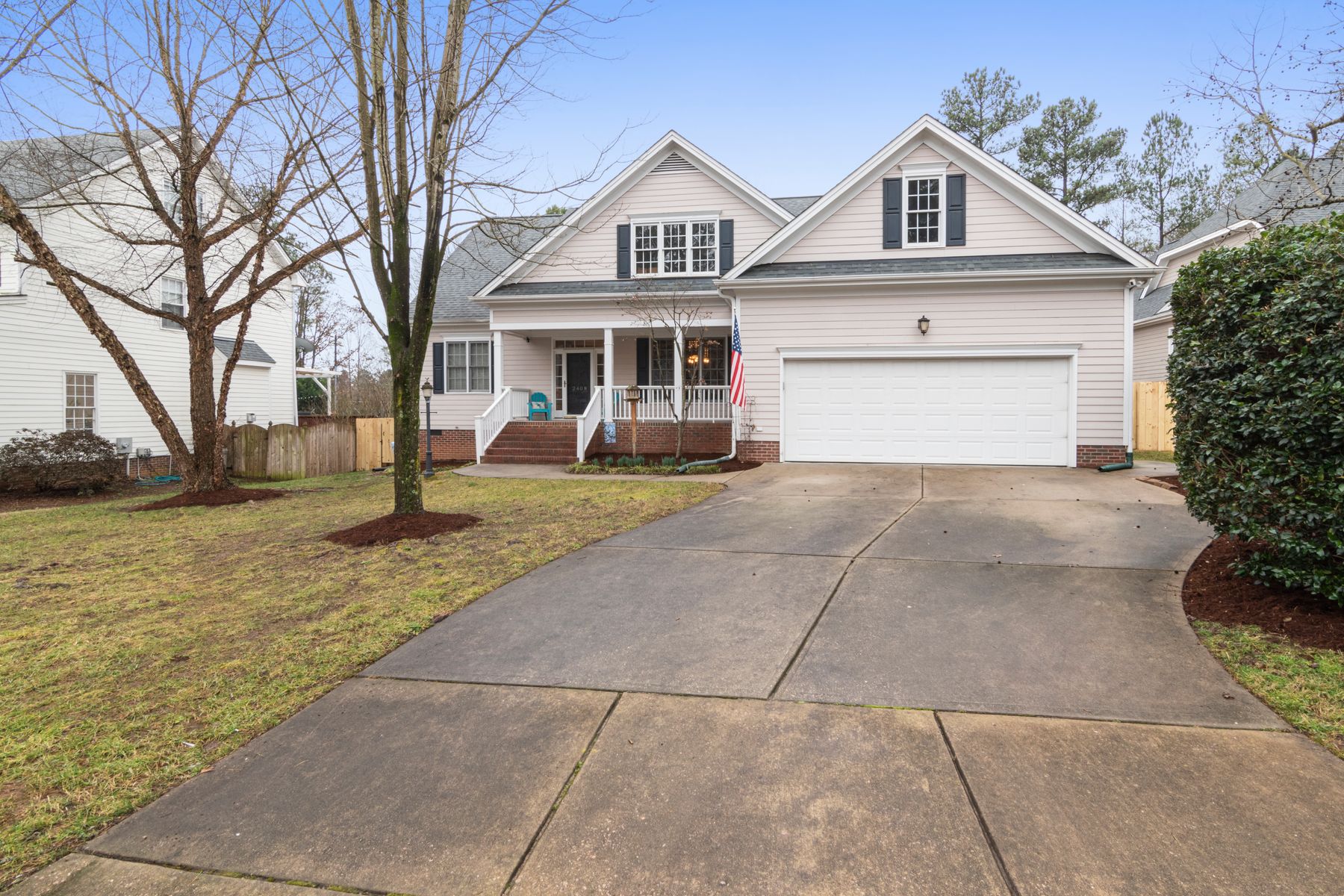
A rental property can be eligible for cost segregation even if you bought it years ago. Whether a study is worth buying depends on the property's depreciable basis, the additional deductions it may produce, and when you can use those deductions.
Three checks before ordering a study
Answer these three questions in order. A property can qualify for a study without fitting a provider's service or producing a useful benefit for its owner.
1. Can the property be studied?
Confirm rental or business use, depreciable basis, dates, and records. Check general eligibility.
2. Does it fit Basis?
Check the residential property types and limits covered by the standard service. Check the Basis scope.
3. Is it worth paying for?
Compare the tax reduction you could use with the study and related costs. Review the example.
What makes a property eligible?
Cost segregation identifies parts of depreciable property that may qualify for shorter recovery periods. It can apply to residential rentals and commercial properties, although a provider may serve only certain property types.
Start with these facts.
Rental or business use. The property must have depreciable income-producing or business use. A purely personal residence does not qualify just because it contains appliances and other building components. Mixed personal and rental use requires additional review.
Depreciable basis. The study needs a supported amount allocated to the building and other depreciable property. Land is excluded. The purchase price alone may not establish the right number.
Placed-in-service date. This generally means the date the property was ready and available for its intended use. It may differ from the closing date, renovation payment date, or first guest's arrival.
Property records. Closing documents, land-value support, improvement records, and any existing depreciation schedule help establish what can be analyzed.
The depreciation rules depend on the property's facts and dates. IRS Publication 946 explains those rules. An acquisition date by itself does not establish eligibility or the value of a study.
You do not have to owe federal income tax today for a property to be depreciable. Your ability to use additional deductions is a separate financial question.
Which properties fit the Basis residential service?
Basis Cost Seg offers a standard professionally reviewed residential report for $1,795. Its base service covers eligible U.S. residential rentals, including single-family homes, condominiums, townhomes, and buildings with up to four units. Short-term and long-term rentals can be considered within that scope.
The base service excludes commercial property, buildings with more than four units, mixed-use property, raw land, property outside the United States, and personal residences without rental use. An accessory dwelling unit, detached structure, unusual use pattern, or other complex situation may need additional review.
General eligibility for cost segregation does not mean a property fits the standard Basis package. Confirm unusual situations before purchasing, and review the Customer Services Agreement for current scope, optional services, and support terms.
What if you bought the rental years ago?
A prior-year acquisition can still be worth reviewing. Start with the depreciation schedule from the most recently filed return so the study can account for the property's existing treatment.
Your tax professional should determine whether a change in depreciation requires Form 3115, an amended return, or another procedure. A cost segregation study does not automatically establish which filing method applies.
Do not replace a filed land allocation or starting basis simply because a new number produces a larger estimate. Resolve differences with your CPA before the study is finalized. The guide to determining depreciable basis explains which records to gather.
Compare additional deductions with the full cost
The amount moved into shorter recovery periods is not the same as a tax saving. An estimate also needs to account for depreciation you would receive without the study, the deductions you can use, and the tax rate that applies.
Consider this fictional example. These figures illustrate the comparison and are not a Basis average or a forecast for a particular property.
Assumption | Amount |
|---|---|
First-year depreciation without a study | $15,000 |
First-year depreciation with a study | $60,000 |
Additional first-year deduction | $45,000 |
Assumed currently usable portion | All $45,000 |
Assumed marginal federal tax rate | 30% |
Illustrative current federal tax reduction | $13,500 |
Basis standard report fee | $1,795 |
Assumed additional CPA cost | $750 |
Current tax reduction less those fees | $10,955 |
The example subtracts the $15,000 deduction available without the study before estimating the tax effect. The $750 CPA cost is an assumption for this example, not a quote or a fee charged by Basis.
Passing an eligibility check does not establish this financial result. For a property-based walkthrough with a depreciation graph, read Is Cost Segregation Worth It for a Single-Family Rental?. That guide explains the financial decision in more detail.
This calculation does not measure lifetime return. It excludes state taxes, the tax treatment of the fees, future depreciation differences, and tax consequences when the property is sold. The result would also change if deduction limits delayed some or all of the additional deduction.
Any estimate that assumes additional first-year depreciation needs a separate eligibility check. Acquisition and placed-in-service dates, property qualification, and applicable elections affect that treatment. Your CPA should confirm the assumptions before you rely on the projection.
When a study may not be worth buying
The usable benefit is small relative to the costs. There is no single depreciable-basis cutoff that works for every owner. Compare the likely benefit with the study fee, optional work, and any additional filing costs.
You cannot use the deductions soon. Passive activity rules and other deduction limits may delay the benefit. A carried-forward deduction has a different timing value from one that reduces your current tax bill.
You expect to sell soon. Accelerated depreciation changes the timing of deductions and can affect the tax result on sale. Discuss the expected holding period and potential recapture with your tax professional.
The property is late in its depreciation schedule. The remaining opportunity depends on the prior deductions and the treatment that should have applied. A review of the existing schedule matters more than a generic percentage.
Important records are missing. An attractive estimate does not resolve an unsupported land allocation, unclear ownership basis, or missing improvement costs. Establish those facts before buying work that depends on them.
Short-term rentals need a classification check
A short-term rental's building recovery period is not determined by its listing platform. Under the General Depreciation System, the residential or nonresidential classification generally leads to a 27.5-year or 39-year building recovery period. Different rules can apply under the Alternative Depreciation System.
Read whether your short-term rental uses 27.5 or 39 years, and have your tax professional confirm the classification and deduction limits. Building classification and the ability to offset other income are separate questions.
Start with a free estimate
Get a free Basis property estimate without creating an account to start. Use it to explore the potential benefit, then compare the assumptions and total costs with your CPA before ordering the $1,795 report.
The estimate is preliminary. A completed study supplies documented analysis for professional review, and the included report support is limited by the service terms. It does not include tax-return preparation, Form 3115 preparation, or IRS representation.
© 2026 Basis Cost Seg. For informational purposes only and not tax or legal advice. The numerical example is fictional and uses stated assumptions. Actual results depend on the property and taxpayer. Consult a qualified tax professional.
Further reading
- IRS Publication 946, How To Depreciate Property explains depreciation methods, recovery periods, and additional first-year depreciation.
- IRS Cost Segregation Audit Technique Guide, Publication 5653 describes study documentation and examination considerations.
- IRS Form 3115, Application for Change in Accounting Method provides the current form and related instructions.
- Basis Customer Services Agreement sets out the service scope, exclusions, and support terms.
Stock photo source: Pexels